


Cloud Services and GDPR: Myths and Realities
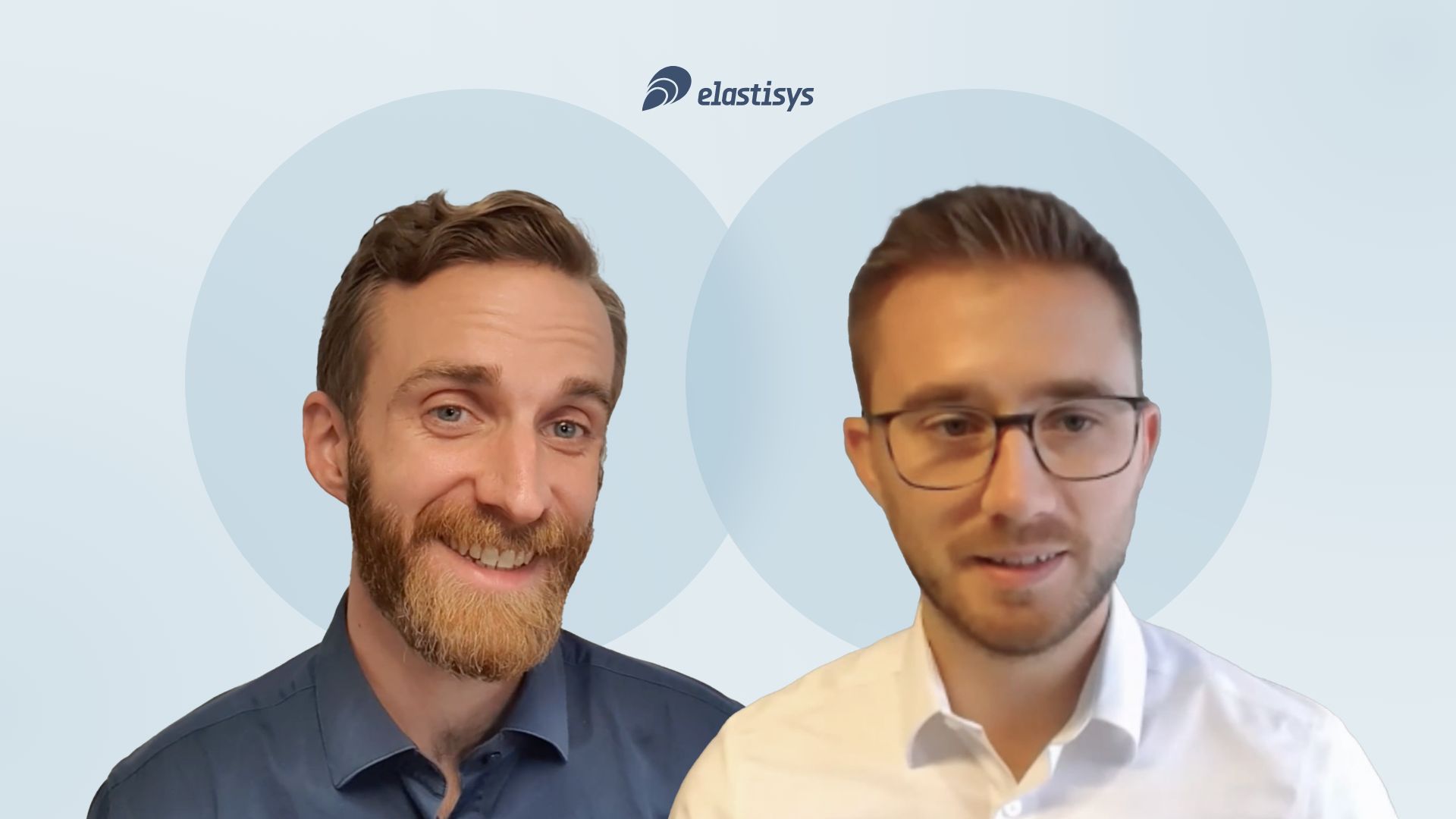
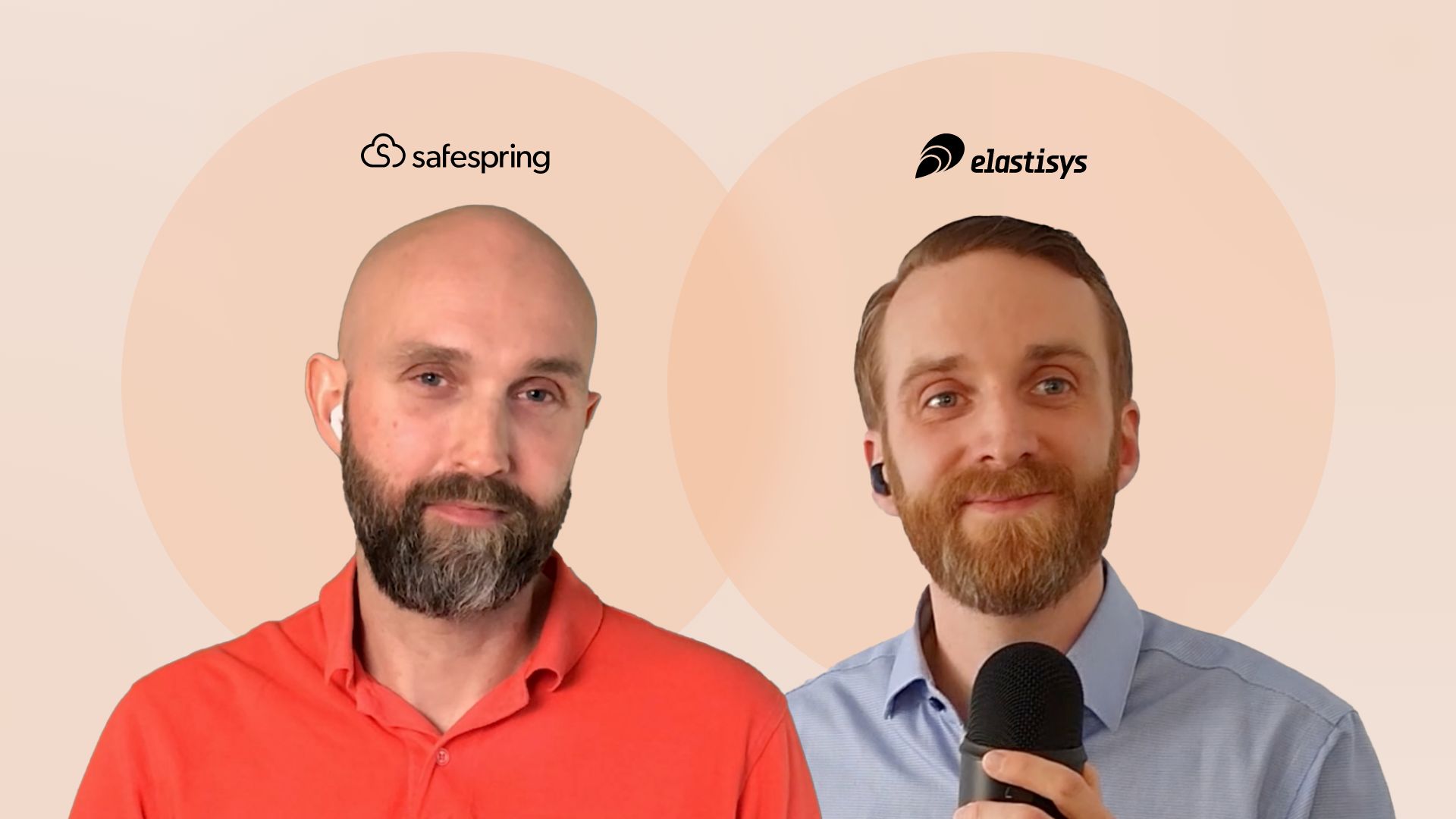
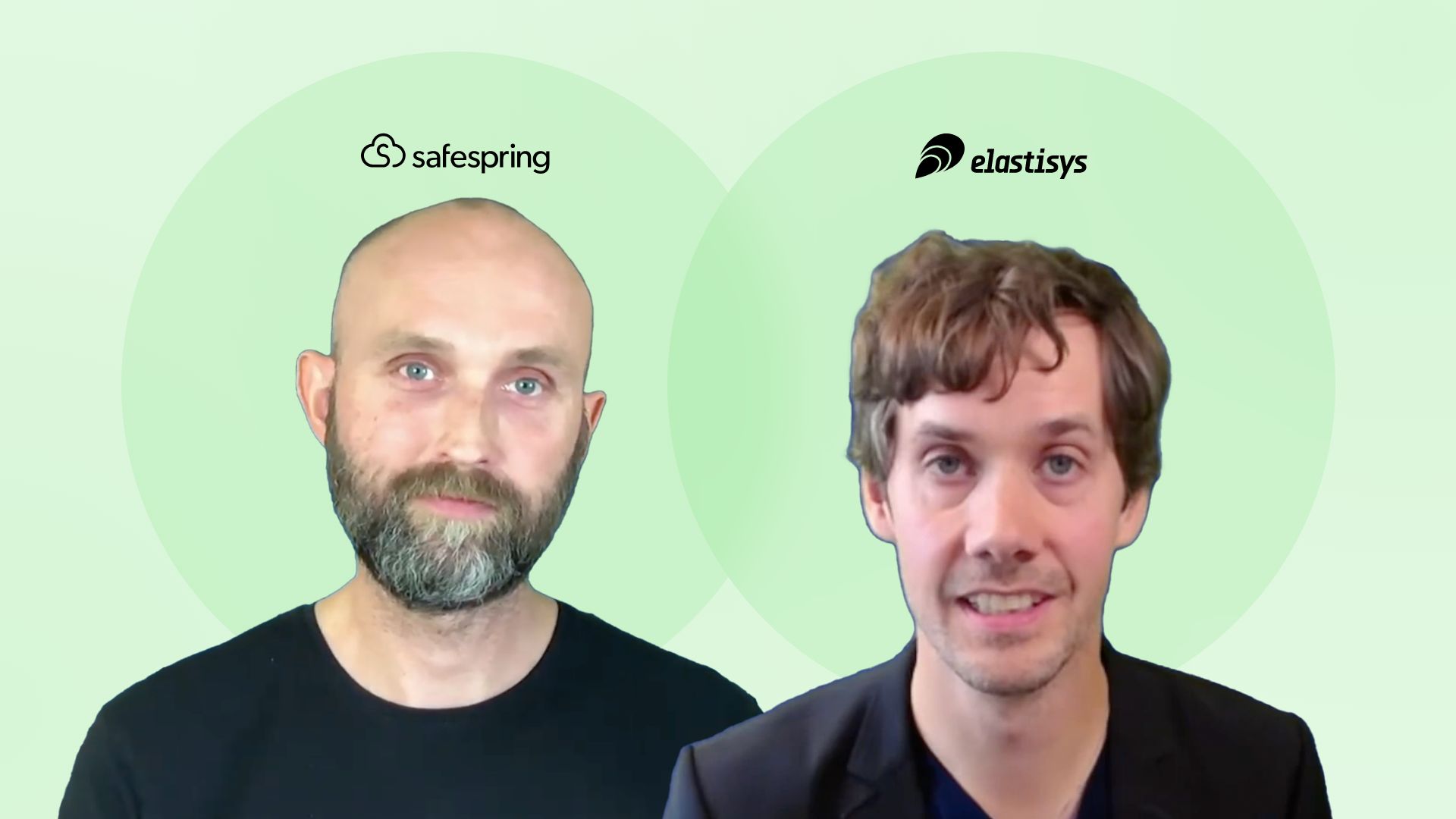
Explore the most common myths around GDPR and cloud services with insights from Gabriel Paues at Safespring and Lars Larsson at Elastisys
Play
00:00 / 00:00
Insights and Expert Analysis in the World of Cloud Services
This session highlights the legal and technical aspects of cloud services in light of the GDPR, with a particular focus on U.S. and European regulations.
In this webcast, Gabriel Paues from Safespring and Lars Larsson from Elastisys discuss some of the most widespread myths surrounding cloud services and the GDPR. The conversation focuses on critically examining and addressing these myths with practical and theoretical insights.
Myth 1: U.S. Cloud Services and the GDPR
- Core of the discussion: It is a common belief that U.S. cloud services will soon once again be fully compatible with the GDPR, driven by wishful thinking from those who have invested time and resources in these systems.
- Legal and practical perspectives: Gabriel and Lars explore how historical and current laws, such as the post-9/11 security laws in the U.S., create complex challenges for compatibility with the EU’s strict data protection rules.
Myth 2: Encryption as the Solution
- Technology versus law: Another frequent myth is that encryption alone can solve data protection issues in the cloud. The discussion zeroes in on encryption’s technical and legal limitations, especially when keys are accessible to the cloud provider.
- Expert advice: Lars emphasizes the importance of understanding what encryption actually protects against, and that technical solutions cannot always solve legal problems.
Myth 3: Shortcomings in European Cloud Alternatives
- Perception and reality: Many believe there are no adequate European alternatives to U.S. cloud services, a myth rooted in the broad service portfolios and economies of scale of U.S. providers.
- Opportunities with European providers: A review of how European cloud services, such as those offered by Safespring and Elastisys based on Kubernetes, can be both competitive and advantageous for companies seeking GDPR-compliant solutions.
Myth 4: Cost Comparisons
- Economic considerations: Finally, the economic aspect is addressed, comparing the costs of U.S. and European cloud services. The discussion covers hidden costs, scalability benefits, and long-term economic sustainability.
- Innovation and adaptation: Gabriel concludes by emphasizing the importance of adapting to new technologies and not underestimating the value of open source and the services European cloud providers can offer.